

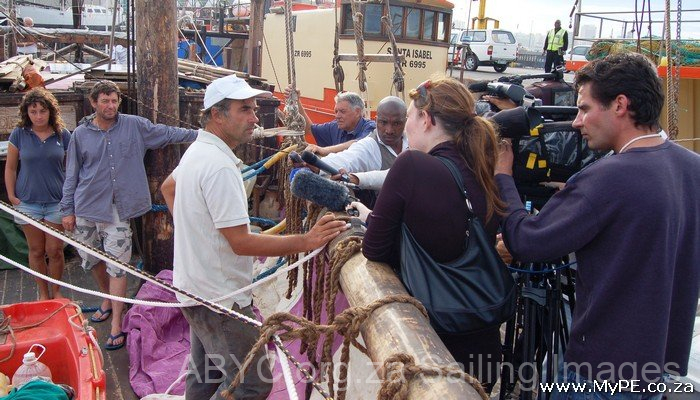
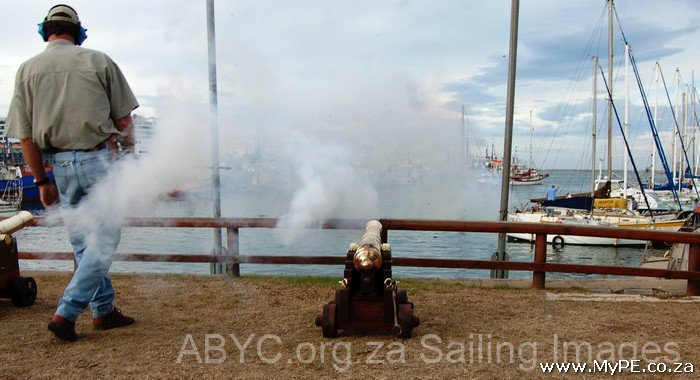
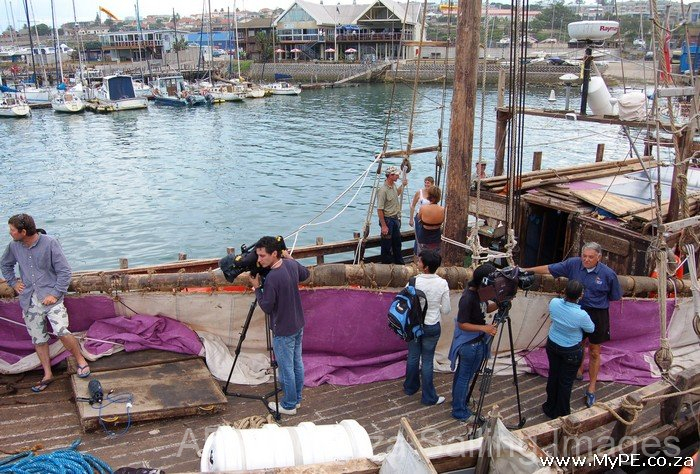
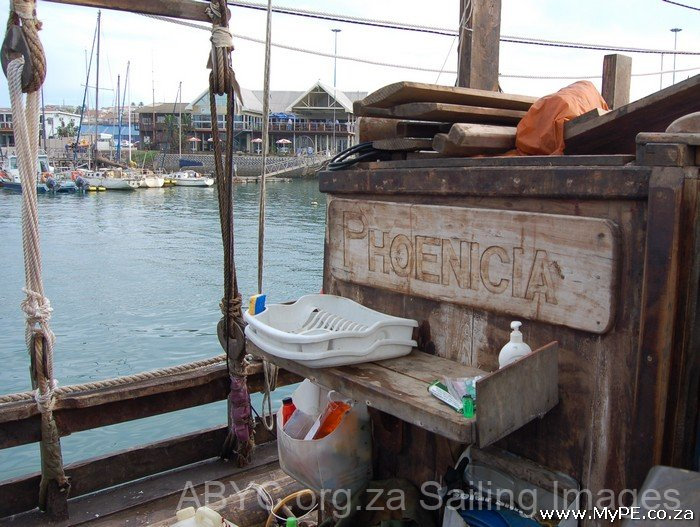
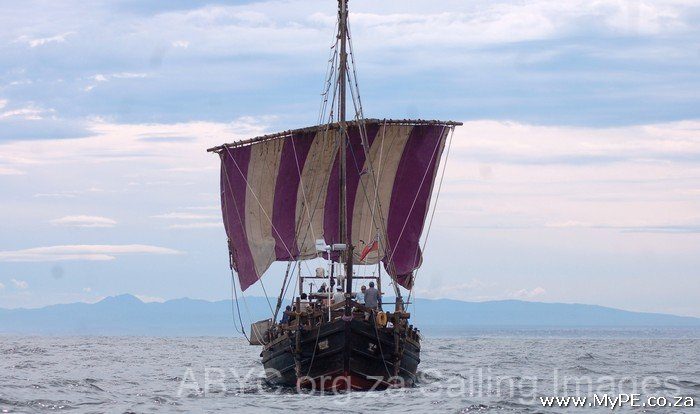
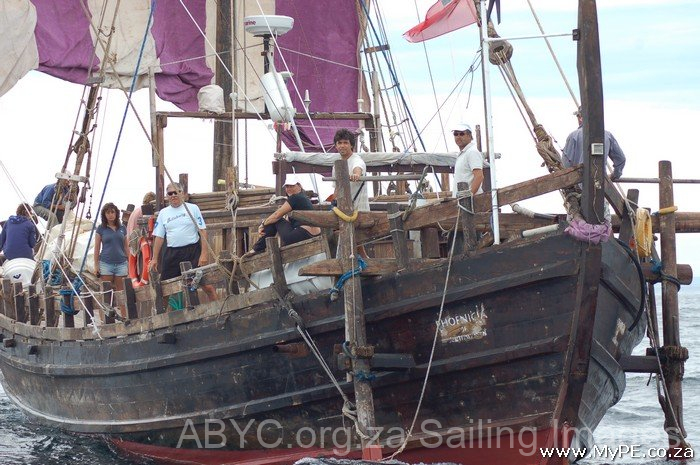
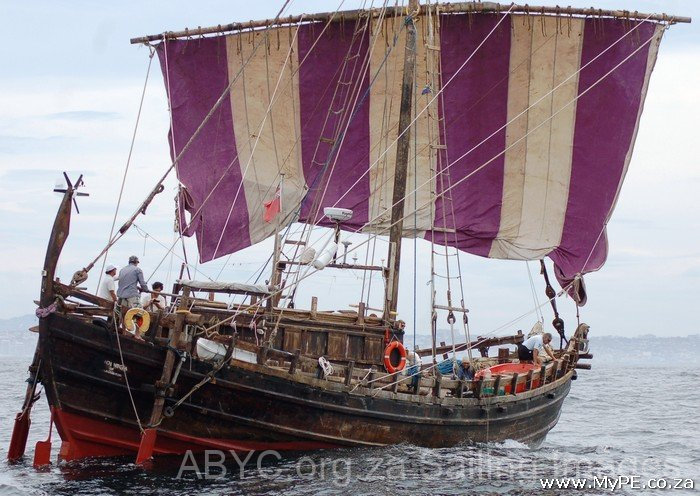
In February 2010 the ancient sailing ship, The Phoenicia, popped into the Algoa Bay Yacht Club for a visit whilst on a voyage around Africa.
Expedition Leader Philip Beale said; “The whole point of the exercise is to discover how Phoenician mariners could have achieved this circumnavigation and it is only through a process of experiencing the problems and challenges of such a vessel that we can begin to realise this. However one thing is becoming clear and that is that the Phoenician’s voyage some 2500 years ago must rank as one of mankind’s greatest voyages of exploration, such are the complexities and difficulties involved.”



Phoenicia, The Phoenician Ship Expedition
Over two and a half thousand years ago one of the greatest journeys in mankind’s history began on the Egyptian shores of the Red Sea. Greek Historian Herodotus tells us how, in 600 BC, Phoenician mariners achieved the first circumnavigation of Africa, a voyage into unknown waters previously considered too dangerous to attempt.
In 2008-2009 a reconstruction of a Phoenician / Mediterranean trading vessel embarked on a journey with a crew of 20 to retrace the Phoenicians’ route around Africa. Re-creating this historical voyage was the major objective of the Phoenician Ship Expedition. The expedition aimed to highlight the achievements of ancient Phoenician mariners and pay tribute to one of their greatest exploratory voyages.
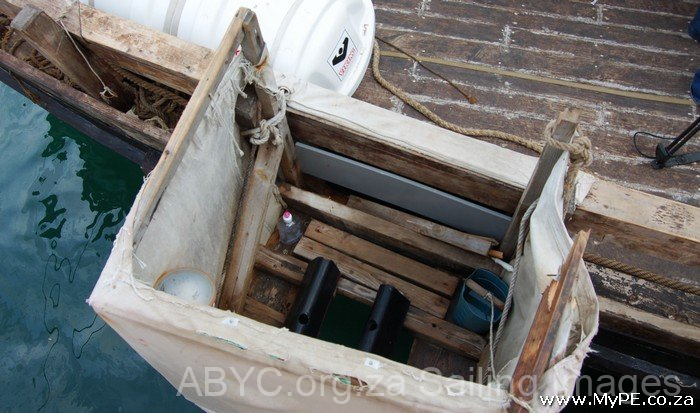
The replica Phoenician ship design specifications were created using evidence from relevant shipwrecks and archaeological finds of artifacts such as vases and coins. Eminent scholars and shipwrights from around the globe were consulted to ensure that the design of “Phoenicia” was as authentic as possible. The Phoenician ship was built in Arwad – one of the Phoenicians ancient trading ports, by traditional wooden shipwright Khalid Hammoud. Khalid and his team used traditional Phoenician construction methods and materials to build “Phoenicia”. Sea trials began in June 2008.
The expedition route
“Phoenicia” launched into the Mediterranean sea in August 2008. The expedition sailed through the Suez Canal, around the horn of Africa and down the east coast. Negotiating the dangers of the Cape of Good Hope were a critical point in the expedition. The voyage continued up the west coast of Africa, through the Straights of Gibraltar and across the Mediterranean to complete the circumnavigation of Africa. This was be followed by another voyage to bring the ship to the United Kingdom (where the Phoenician’s are believed to have traded tin with Cornwall). In total the expedition covered 17,000 miles and 10 months at sea.
The expedition team for Phoenicia was led by Philip Beale previous venture was to lead the 2003-04 Borobudur Ship Expedition.